Hello my lovelies and let me share the simplest idea with you.
I WAS thinking of writing about C for chips, but maybe another day. Comfort. I have found that, in difficult situations or just as part of caring for me, it’s helpful to attend to comfort. I know that is going to vary because you may be living with chronic pain or illness, so I suppose I need to qualify what I write with explaining that my approach provides optimal conditions for me. Also, I want to say something about things that are comforting, as well as approach the word ‘comfort’.
So, I have a very bright crochet blanket that I like too have with me, where it’s possible. I have it because a kind person made it especially for me when I was at an absolute low. I put it over my legs and feet. I have a little spiky ball which I enjoy rolling on the soles of my feet, and, since my teens, I’ve invariably had a little bottle of lavender oil with me or maybe a tissue with a few drops of lavender on it. I also have a pot of tiger balm with me, which seems to last for years. These are things for being at home but also travel or being elsewhere. If I am feeling a bit nervous, I do enjoy using earplugs – I like the ones made by Loop. You can get ones that block out sound and ones that act more as a filter. An eye mask if I need to withdraw for a bit. These are all things that bring me back to myself a bit and give me a feeling that I am looking after myself, but it doesn’t matter what those things are; it’s a question of what they afford you.
Things that are comforting.
I have pictures of my cats on my phone and roses I grew. It doesn’t matter what the images are of, because it’s whatever brings you comfort. I am a massive bookworm, so I am frequently comforted by books insofar as I become really absorbed by them. I like to read aloud to myself if the language is particularly beautiful and quite frequently read poetry aloud: you can feel it too. I think romance with a happy ending is a wonderfully cheering thing to read. It’s not usually my first thing, but there are times when that’s what I want to read, for escapism and soothing. Flowers, herbs, the sea, birdsong: keep noticing and taking it in.
More broadly for feeling comforted, I have been training myself to really look at and notice things. To spend time on doing small things for myself, and to self soothe. Breathing well is grand, but because I manage real and scary health things and because of other things in my life, I have adopted a habit of putting my hand on my heart and saying a comforting phrase. Yes, I know it probably sounds a bit naff, but it works for me.
There’s a thing you sometimes hear about letting the good land. Our brains have an entirely understandable negativity bias, because that’s been necessary from an evolutionary point of view. One thing that I find comforting is that there’s work we can do. Our neurons are interesting little guys which can, with a bit of encouragement, start firing about different things. That’s brain plasticity and there is much information out there about this. Psychologist Rick Hanson whom I’ve mentioned before has a lot of free resources here and I suggests you subscribe to the weekly JOT – just one thing – newsletter. Here’s the website. https://rickhanson.com/what-to-do-when-the-bottom-falls-out/? May it bring you comfort.
At the heart of everything I have written is the simple practice of caring about yourself in the first place. Not in an egotistic and self-indulgent sort of way; not by embracing toxic positivity which is, of course, toxic. Just by introducing and doing my best to sustain things that offer my body comfort and which are comforting.
In February, 2026, my eleventh book will be published, by an award-winning, exciting independent publisher. I have just finished the first in a projected series of commercial fictions – cosy paranormal – and I have a novella out and about. In addition to this, I am reading for a new literary novel and thinking about another. I am the creator of a literary prize for unpaid carers supported by lovely folks across industry, I am about to go to a big publishing event (through my teaching work) and I’m delighted to be seeing some of you in the winter, as I know I will be, at my event at Folkestone Literary Festival. I have fulfilling teaching and mentoring plus a little secondary English. I became Dr Vaught at Christmas.
I have deliberately written this because it is part of the picture and I need to see it and feel it and then explain what follows. You may know that we are very stretched in our family life, that I have had a lot of loss of late (having been launched into the world on that, too) and that, where I live, I’ve/we’ve been subject to a horrendous and baffling bullying campaign, including destruction of parts of our garden. Community policing has supported me well, mindful I have a young person still at home, too, but I don’t feel so safe at home. It has been social media, too; shit thrown into our garden. It has been like a bad dream. I have chronic illness, an extremely ill eldest and two others, one of whom is school age – and the integrity, the sanctity of home is so important. It’s all a bit hard to take in. I am very tired, but my students, my mentees, being myself – call it authenticity, if you like – lovely friends, my gorgeous cousins and in-laws (the latter in the US), writers, reading – writing: here is life. My boys. Mr Bookworm. Always Mr Bookworm. And always, always, there are Wales and the water.
SO, my darlings. What about the books? This is not about writing, but about publishing. I wake up so sad and I think, would it be best to walk away?
I must speak frankly. Out of my ten published books, four are now out of print. A couple of weeks ago, for the second set. One of my publishers closed and did not tell authors. While I was keen to see that the director was alright, it was staggering. Beyond this, I am sitting on lots of unsold rights. Two previous publishers did not want futher work from me, one because my work did not fit with changes afoot for the direction of the publishing house, the other did not want the next book. I am owed royalties by two publishers; one of them I have never had a statement from. I was agented on my fourth book and, eventually, I left my agency because most of what I wrote was not wanted and thus did not go out on submission and books sent on submission were mostly ghosted by editors, with a few rejections which were enormously complimentary. Of course it was amicable! It just plainly was not going anywhere and, in the end, I am not sure why. Lots of agent interest after this – a really lovely bright spot – and then agented again; this agent was then made redundant but not long after had a new job so I was agented again. Then late last week, I learned that, for entirely understandable reasons, they were leaving. I had been waiting for reads and had a strong – I thought – nonfiction proposal out on submission. I understand that was mostly ghosted.
I told you about the Curae prize. It is unique and important. There is no other initiatve anywhere near it for writer-carers. I am glad to have made it. I can tell you that industry press ignored Curae despite repeat emails and that the publishing partner for the prize did not follow through. I do not know why. I found that one hard because it was not about me; nonetheless, it felt embarrassing and shaming. Oh, I find ghosting hard to take these days. You can say you’re busy, but look at what I am spinning and I am frequently poorly and, frankly, really scared. That is not to say that I am special. No. But the ghosting in all spheres is wearing thin for me and hurting me more. And waiting and waiting. Weeks to answer emails. I’m just…I can’t do it any more. No that.
I am not sure how to feel about any of this, because it has been a rough ride. It’s more sad on top of sad. I have had some initial conversations with people about next steps and I sincerely hope I can share some bits of good news soon. And yet and yet. I would love to have someone help me develop my career, to see my books – even if they are the new ones because I am happy for a fresh start – thrive and be more widely available. It has yet to happen. I hear about people being helped with strategy and see friends with one book out doing any number of what you might call big things. Yes I would like a bit of that! On the other hand, it seems very normal not to have it. I have worked so very hard and hustled. At this point, I question to what end and I am going to be brooding a little indulgently on that here and there. Bitter? No. I don’t think I have it in me. Bitterness is corrosive. Also, I need to stay as well as I can for my own sake and those I love and care for. That’s a lot of people.
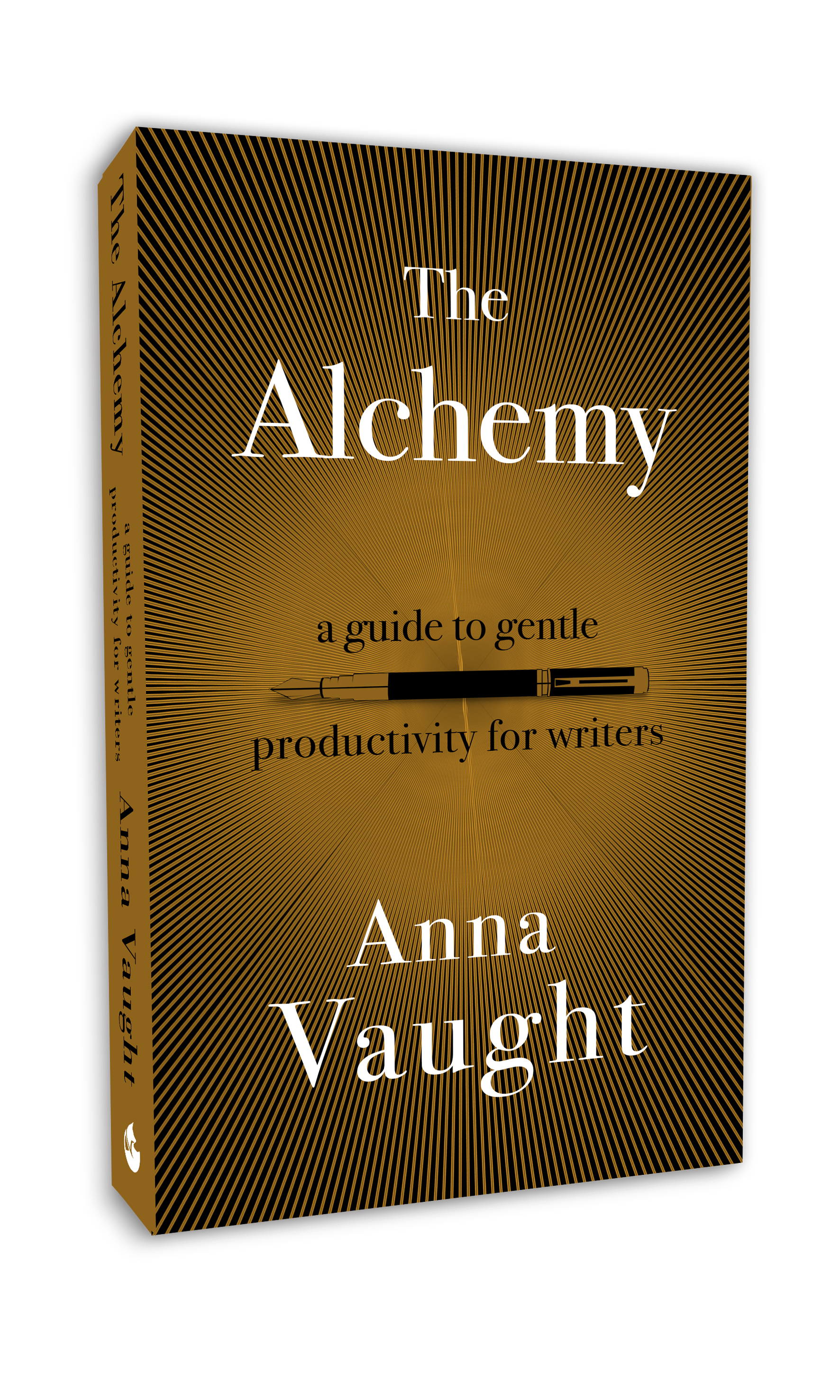
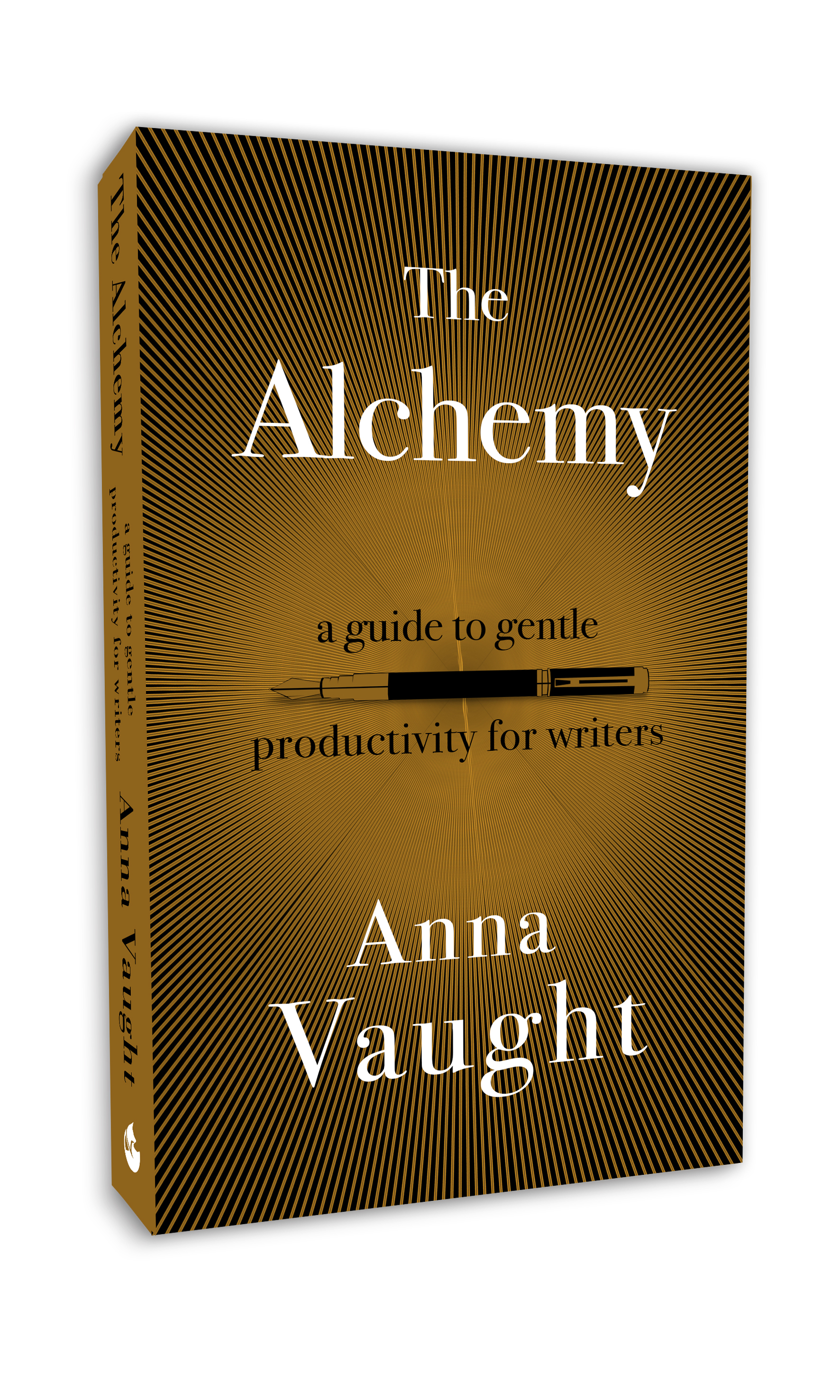
You saw the first paragraph. Those are all possibilities and they all exist. With very little help and in challenging circumstances, I made them. It is time to say that was pretty brave of me, really. Then the books; writing. People say that after disappointment or things going badly wrong in publishing, they couldn’t write for a while. I have not found that. Not a bit. It just keeps coming. I think this is a blessing. I think, partly because I teach Creative Writing and am kind of…industry adjacent, I separate writing from publishing. It is market. What you can place, what can sell, insofar as anyone knows. You can write something beautiful and it might only sell a few copies because it was not perceived as being maketable so it barely saw the light of day. Industry can get that wrong, of course: it did with my teaching book, The Alchemy, which is widely used and appreeciated, but that is a story for later in the year. I think I am tired of not making much progress, of what I can do – and I can do a lot – not being exploited. Maybe that will change; maybe…it just will not. I do not think I would still be pushing on in any capacity at this stage were it not for Renard Press, whose care for its authors is exemplary and with whom I have built up such a lovely relationship. I am so thankful. They call me Po, you know. Like in Kung Fu Panda? That’s what I am like. I bowl into situations, full of life, with very little elegance but a lot of good intentions and energy. And I like jokes and pals. And dumplings and noodles. I have a lot of energy. I have felt some others try to crush me like the light were an irritation. It is just me trying to give and there are ways of handling that, aren’t there? Renard. Thank you: THANK YOU.
So why is sad beautiful? Because it has its own gentle, melancholy focus. When you write just because you love writing, there is something new and untethered. I have found that having had a rocky run has made me more effective as a Creative Writing mentor and teacher, both in terms of empathy for my mentees and students and because I can give them better advice. I think, also, that in sadness there is a quiet creativity and a bolstering of the imagination. Also, feeling as I do, my work with the Curae prize feels more meaningful than ever and also my friendships with other writers.
Unusually, I do not have the energy to write more today, so let me end by saying that it’s a straight-through online teaching day today – with a break to cook tea for the youngest – and I am so enjoying talking to my writers about their work. I have made a few connections with publishing professionals for myself, but I am not making more than a few. How could I have capacity?
In my in-between times today – the caught moments – I will be reading and reciting all the poems I know by heart; it’s meditative and healing. Strange that this is what first came to my lips, then. Books open on the right pages, poems beckon. Sad can be beautiful too. Here is what I said aloud; it’s from Patrick Kavanagh’s ‘Prelude’.
But satire is unfruitful prayer, Only wild shoots of pity there, And you must go inland and be Lost in compassion’s ecstasy, Where suffering soars in summer air— The millstone has become a star. Count then your blessing, hold in mind All that has loved you or been kind:
Well now what have we got going on? First thing is that I have a nonfiction book out on agency submission. I have actually proposed a series, but it can be a standalone book. It’s literary self-help, a short book each time, and on each occasion an area of literature and a theme to help with a particular ill, or something we might need. Anyway, it’s called Dr Bookworm Prescribes and plays with the idea of a sort of…apothecary; a bibliotherapist. Close readings, but only short ones – ideas; all kinds of fun and consolation.
AND THEN…
On Monday night I handed my new fiction to my agent. This is a psychological drama; a novella. It’s dark and weird and, while you can tell it’s me, the style is simpler and leaner than that of previous books. I started writing this last year and put it aside for a while, and then finished it quite quickly this month. It’s called All The Days I Did Not Live. Will she like it?
AND MEANWHILE…
The judges are reading the entries for the 2025 Curae prize for unpaid carers. I have read all the entries and they are reading in batches. I feel that, across poetry, fiction and nonfiction, there are some standout entries: the ones I just cannot stop thinking about. But mine is not the only decision and, mid April, we will get together and make our list. Shortlist is published on the 1st of May.
AND AT THE SAME TIME…
My first two books are out of print and the publisher closed. I have my rights back. I am not sure what to do with the first book (auto-fiction), but U have offered the second one to a delightful indie publisher I adore TOGETHER WITH a strange little historical fiction and magical realism mash-up that my previous agency didn’t like AND a nonfiction proposal, which could be a book OR could be commuted to something essay length. We shall see.
AND I WONDER…
I always like to be working on something, but I am taking my time with this next one and, to be brutally honest, going all-out for the market by attaching the book to a known oeuvre – and that’s all I am saying other than F. Scott Fitzgerald.
AND FINALLY…
You may have been expecting the follow-up to 2023’s kindle bestseller The Alchemy…originally slated for this autumn, The Elixir has been moved, at my request, to 2025 on account of not being superhuman. I will be working on that this year, too.
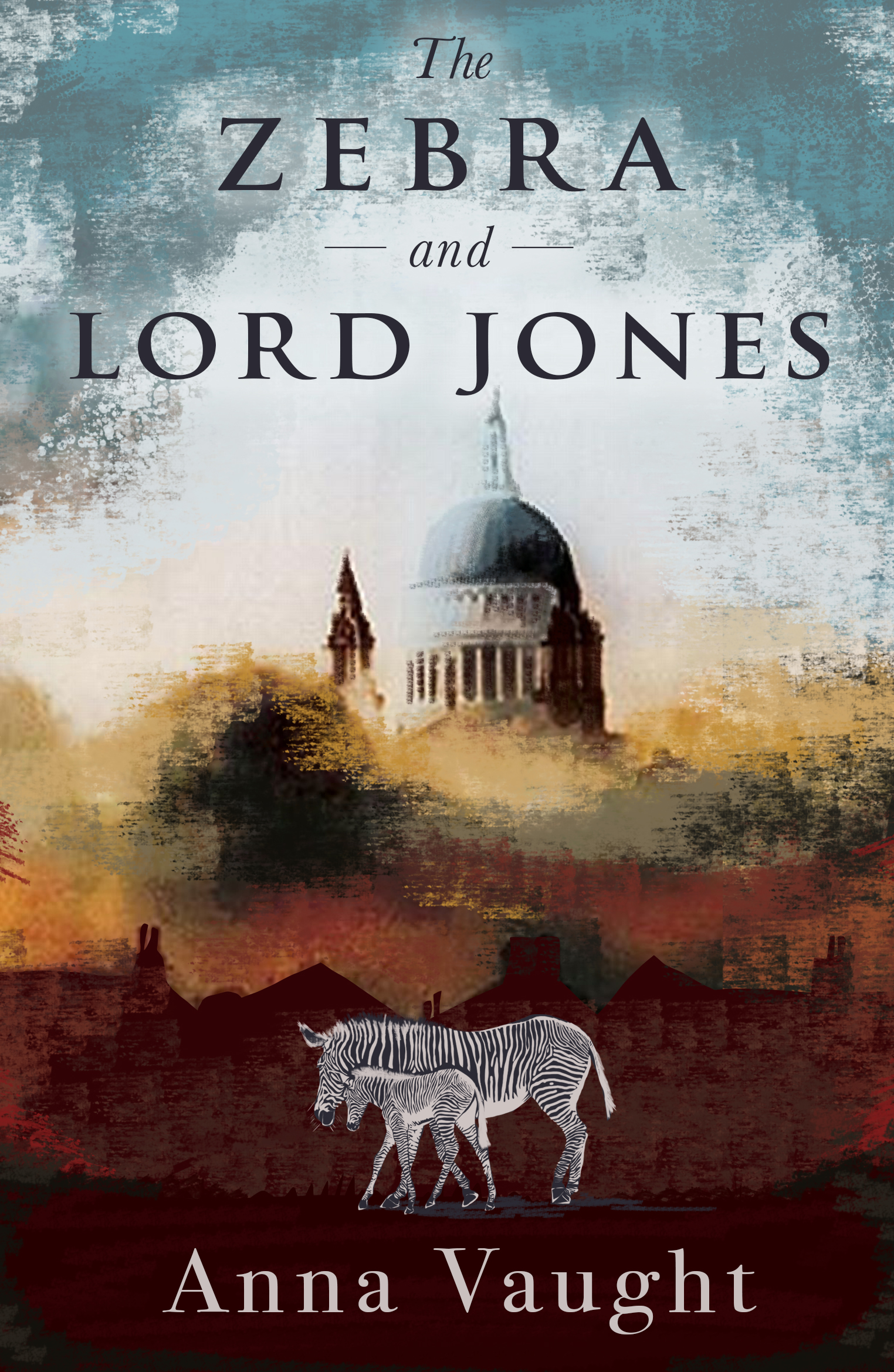
Just out, The Zebra and Lord Jones, a new novel of magical realism. As I write, we are getting ready for the release of The Alchemy, my first teaching book, which comes with its own platform, and then in November, the anthology of winning entries from the inaugural Curae prize, which I made specifically for writer and would-be writer-cares. For All three of the following books, head over to Renard Press. https://renardpress.com/https://
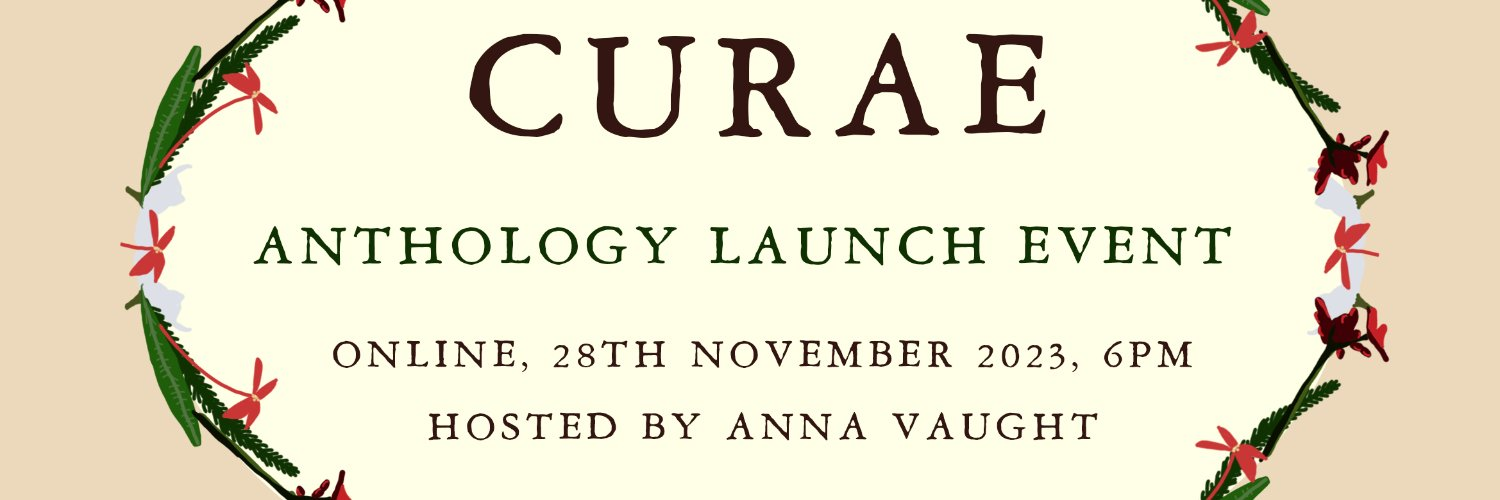
The book above is the result of the Curae prize for writer-carers which I launched in 2022. It had such wonderful support from across industry. If you can, come to our launch night? It’s free but you have to book.
In just over a week, I start a PhD by Published Works at York St John University. It is on magical realism, the imagination and trauma, and foregrounds my own These Envoys of Beauty and Saving Lucia, together with briefer focus on five other books, alongside contemporary magical realism fiction and literature on trauma across various disciplines.
What else? I had a strong nonfiction proposal put together, Lipstick. A Cultural and Emotional History and, in all honesty, following agent and publisher feedback, it is not going to be saleable as a book. I am not a journalist, I do not work in fashion and beauty and I am not a cultural historian. Nonfiction is a particularly hard sell at the moment, so it’s just no go. I cannot top and tail it with memoir and scholarship because I do not have a relevant platform. However…I like to think whether I can reuse and repurpose so the plan is to publish it as a monograph instead! A long essay. I am delighted to tell you that I do have an offer of publication for early 2025. News as and when I can.
I am in the process of writing a new novel, All the Days I did not Live, having put down a few other things, and as I write, I am going to be head down on that for a week. I also made the decision to seek to change literary agency – this happens a lot, if you were wondering – so I am in discussions about that at the moment. Finally, I am away from social media for a whole year: time and space. To breathe. So much has happened in the past few years in work, and books and in my personal life – it feels good so far.
More news as it happens and, this week, I am will be resurrecting my Substack newsletter. About time!
OOH. March 6th in Italy and we are on tour, Milan to Trieste, 12th to 16th April. Published by Milan’s own 8tto Edizione, the translation of 2020’s Saving Lucia
Then, March 31st, Reflex Press, my memoir
September 27th, my new novel. Renard Press, UK and Commonweralth
And finally, on October 25th, same publisher, my first book on writing
More as it happens – just thought I’d pop these side by side for you x
On the 6th of March, the Italian publication of 2020’s novel, Saving Lucia. Title and cover reveal in the new year, plus details of the April Italian tour, beginning in Milan. This is the UK edition, with Bluemoose books. Still time to read. Then 8tto Edizione
Then on 31st March, my memoir comes out. Trauma, survival and the imagination, kid up, explored over twelve essays on the natural world. Reflex Press.
On the 27th of September, my new novel, The Zebra and Lord Jones, is out with Renard Press as UK and Commonwealth (excluding Canada) edition. Plenty of news to come in the new year and this is currently on US submission.
Then, on the 25th of October, my first book on writing, The Alchemy is out – also awaiting cover. This is very specifically about gentle productivity and writing your book in less than ideal circumstances. This book was recently acquired, like The Zebra and Lord Jones, by Renard Press.
Through the year, you have various pieces of work from me – such as my Mslexia column!
On January 10th, join me here!
Also, in the new year, if you fancy joining me – and the fab team – come and work on your novel for a year; applications open in early 2023 and the new course starts in March. Image below is for the one I am currently teaching on.
On 1st of January, the Curae Prize opens for first submissions. This is a new literary award I have set up, with brilliant support from people across the publishing industry, for writer and would-be writer-carers.
A writing prize – just for writers who are also carers
It is my dream that I go on to build out from this – educational platforms and opportunities for young carers – and, ideally, for carers around the world. We have to see how well this first year goes first!
As to my hopes and dreams? I truly think, eight books published in seven years – by the end of 2023 and one in translation, plus two major columns and over forty features – well…I truly think that if I were going to be a star from my writing and have a big profile, I would have done it with this ouput. I was very sad about this, but then I reminded myself that, in order, I am teacher, reader, writer.
And before all of that, mum.
As to my hopes and dreams? I truly think, eight books published in seven years – by the end of 2023 and one in translation, plus two major columns and over forty features – well…I truly think that if I were going to be a star from my writing and have a big profile, I would have done it with this ouput. I was very sad about this, but then I reminded myself that, in order, I am teacher, reader, writer.
And before all of that, mum.
Things looked very different! I felt much more optimistic and began seeing possibilities.
There are additional needs within my family and it has become clearer to me that focus needs to adjust and I will need to be hands on and flexible, perhaps permanently. We have had no additional support and have been through significant trauma over a long period owing to this. To be frank, I have to plan and to anticipate and there are too many fluid, unpredictable bits in publishing for someone who has additional demands plus a day job – and I also manage chronic illness. I am sure you get the picture. So I am working sideways, instead. It took me months to recover from a novel being comprehensively ghosted by editors. I had not understood that ghosting – a practice of which I disapprove – went on beyond the query stage. Seeing this in action has made me reappraise my approach, partly because I do not have the bandwidth for it. I have so many ideas; so many books I want to write, but the issue is not the writing, but where I meet industry. Thus, while I have a number of books out in 2023, my focus going forward and beyond is teaching and the Curae. With the exception of sending a book of essays out on query in mid February! And unless I get a nice US deal, or someone wants to make a film – or anything which is a big splash in that way. I will be talking about moving sideways and the portfolio concept; being nimble and flexible. I aim to connect it both to The Alchemy and to the Curae. I aim to put in place for others what I needed.
It may be that you saw a recent slew of articles in the industry press on burnout in the publishing industry. I then did my best to dovetail with pieces in The Bookseller on this – you can read what I had to say here:
First let us define burnout. The World Health Organisation, which classified it in 2019, conceptualises the syndrome as resulting from chronic workplace stress that has not been successfully managed. It has three dimensions: feelings of energy depletion or exhaustion; increased mental distance from one’s job, or feelings of negativism or cynicism related to one’s job; and reduced professional efficacy. When it comes to authors and this definition, it’s important to remember that our workplace is often our home, and the site of a multi-strand freelance career, which can make things harder, rather than easier; I personally have experienced all these feelings over the past three years while launching two books in lockdown, being unwell, home-schooling, teaching online, and being a carer. Writing can make for quite an isolating as well as an overwhelming life, especially in times of strife.
So there is a definition.
Then, I was able to suggest some things we might do to support ourselves, but in a short piece I could not offer much detail. So that’s what I want to do now. If you are feeling rotten, exhausted, what might you do?
First line of defence – and I am not a medical or mental health professional, but these are things I know: if you feel you are in crisis and you are frightened, remember that The Samaritans are there twenty four hours and here is a link. There are ways to access help beyond calling and these are outlined here: https://www.samaritans.org You may be aware of the text line SHOUT but here: https://giveusashout.org/ – this is twenty four hour text support. I also offer you this next page, because there are further resources and it also lists urgent mental health care routes in your area: https://www.nhs.uk/nhs-services/mental-health-services/where-to-get-urgent-help-for-mental-health/ Promise me you will not ever be embarrassed about being scared, feeling vulnerable or needing help? Human beings get ill; they have tipping points. Here are some starting points if things have got very bad and you don’t know what to do. Emotions are massive unwieldy things for a start, no-one is invulnerable and it is estimated that, at any one time, one in four people in the UK is coping with a mental health problem. It may be that you are overwhelmed and exhausted and what you need are rest and pals and respite; or it could be that this needs input. I think it’s important to say that it need not be your call: I have been in and out of mental health care for decades and this is something I would say. On two occasions I got extremely ill and because I had things to do, kids to look after, classes to teach, I did not ask for help soon enough: it resulted in people needing to advocate for me because I fell apart and could not verbalise what was going on. For me, that’s bad! So yes: promise me that you will take action and not feel embarrassed, that someone else’s need is greater or that you ought to toughen up or you’re probably okay really. Bravery is actually asking for help. Now, in more specific terms, that is, in terms of being an author, what might you do? I am going to have to approach this one rather broadly, because being an author may mean that you are first querying work, that you are more established, or that you have stalled. That’s a lot of situations. Some things that I have done, because of feeling awful, have included everything on this bullet list…
Evolve a group of writers at similar stages. Your tribe. It can be online: put the call out on twitter and do not be shy. You could have a writing support group through twitter DMs or WhatsApp, say, considering which option feels best. When people are very down or overwhelmed, the tap tap and pressure to keep up in an online group can be too much, so you could all set some parameters for what is helpful.
Compare and despair. Look: I regularly see people with the opportunities and exposure with one book and after one book (and no other writing) that I have yet to access after many articles, pieces in the national press, a column in the industry press and seven books either published or coming to press. Is it fair? Well no, you could say not, but it’s common, just as it’s common in life. If you are expecting parity of this sort, you’ve come to the wrong industry! Possibly the wrong planet! So you can allow resentment to curdle here or you can smile (I KNOW it is hard) and understand that everyone has a different route in writing and publishing. You do not know what will happen further down the line after a magnificent debut with full voltage exposure, just as you do not really know what else is going on in that person’s life. Be generous and also be kind to yourself. As I said, compare and despair. Plough your own furrow here. If you reiterate to yourself how unfair it is, you will suffer creatively and become – which I know, because it happened to me – less buoyant and more vulnerable. It is hard, but focus on you.
Now, people may write, oh take a break. But that is predicated on privilege and, frequently, ableism, and the assumption that we can all get out for a run, or a weekend away. I have tried to rethink this, so it is the case of finding time and support in your mind supported by, as far as possible, being in and honouring your body as best you can (which you are also not going to beat yourself up about right?) How might you repeat helpful things to yourself, praise yourself? How might you develop that quality of rest? Think about that and do it. Write it down if need be. Because of the serious challenges my family and I have had to face over the past few years, I have had to recalibrate and rethink the notion of success. So, for example, while other families were putting their amazing holiday pictures on socials, I was focusing on the maxim, ‘Everybody fed, nobody dead’ at Bookworm Towers. Do the same with your writing. It takes courage to put your creative work out there, for example: never stop reminding yourself of that. As treats, be very kind to yourself in your head. If I do this, it is like a tiny holiday and it makes me feel less tired. It all helps.
It is trite as hell, but live in the moment as much as you can to minimise panic and overwhelm. You can never BE in the future, up ahead, and the past is a different country: it was and there’s nothing you can do about it now. Focus on right now: what you can do, in this moment, to make yourself feel better. Because I have had a very ill offspring, I have had to do that. I didn’t at first, but exhaustion claimed me. Things are scarier when you are always anticipating and, in my experience, getting too stuck in anticipation leads to catastrophising. Feel free to disagree.
Try using the Kaizen method – google it but there are a number of books (around £2-3 second-hand; I just checked) – where you think about making very small positive changes – VERY small – to change your attitude or practice. That could be a simple to-do list you set down for writing goals; a small piece of industry research. The point is small. It’s all you need to keep moving.
If you are burning out or think you have burned out because of others’ unkindness in the industry – cutting to the chase here, in seven years I have encountered a handful of shockers – take it to your tribe (point 2, above) and don’t be shy about joining and telling a union. In my case Society of Authors – such as here https://societyofauthors.org/advice There is a range of guides, but you can also call and write to them about a specific matter. Something that caused me a great deal of upset led me to ask for help and they replied in considerable detail to everything and also outlined how a professional complaint might be made. My point here is two-fold: don’t suffer alone and, also reclaim some power – which brings me to the next point…
Rejection happens at all stages, whether you are first querying or a few books in. Some have an easier road of it than others but, as in point 3, compare and despair. So know that this is normal and natural. It is actually ghosting and being ignored – from first queries to full books sent to commissioning editors by your agent – which floors me. I got extremely low about this. Talk about it, but look at what you can do – because this is disappointing and feels disempowering, yes? (And I should say, cope with rejection by always being working on something else, at however tentative a stage.) What I have done now in response to the ghosting is to set deadlines in my mind and then move on. In some cases. I have begun, very politely, to ask for deadlines when I have queried independently. For agency work, I’ve asked that we do the same. It has been a way of reclaiming some power.
Don’t see patterns where there are none. It is very easy to assume that because it has been tough, it will always be tough; even to connect other areas of your life where you have screwed up and connect that to feeling terrible as an author. But life is not a place where everything happens for a reason; it is full of happenstance and changes, small and radical, and tomorrow can be different from today. That is easy to forget, isn’t it? I believe that human beings mess most things up and I am absolutely sure that most creative projects fail – because creative endeavour is full of risk. I would say, start each day – each moment – afresh and then it is easier to spot opportunities; to be as positive as you can be. This is something I have been practising in order to feel lighter.
Reading. I am a reader before I am a writer. I think of reading as my saviour, so if you are burned out, increase or vary your reading and into your life will come new forms of beauty, new worlds and new ideas. And do you know, I talk a lot about gentle productivity, so I want to emphasise that it is in play here: you are also working – writing – when you are reading, even though you don’t notice it. Nourishing your imagination, your core; relaxing into it and finding a myriad ways of looking at the world.
With much love and remember that you are not alone,
I’ve always been quiet; I am merely accidentally loud. I love activity, but become extremely stressed and tired out by noise when it is clamouring for my attention and when it is a noise competing with other noises.
I have always been melancholy; I look the opposite!
I’ve been thinking about all this again – and the noise and the melancholy – because I need to reflect on changes I feel I must make. These are really changes in my thought and, because writing and reading are at the core of what I do, some of those changes may impact on that, or rather my perception of it. You see, after the past intense years of my eldest son being terribly ill and the total failure of multiple agencies to help him and us, while I was already managing chronic illness, I am a bit tired.
I wrote before about how I don’t have the strength to pitch articles now. I may do the occasional one with someone I already know, with whom I have worked perhaps, but that’s it. Also, I will continue doing as much of the recommended push for The Alchemy, which I am crowdfunding for – https://unbound.com/books/the-alchemy/?utm_campaign=thealchemy&utm_medium=AuthorSocial&utm_source=AuthorActiv …but what does not work and what I cannot do, I shall not berate myself for. Everything else: I will meet deadlines for forthcoming books, greet good news for future work with love and enthusiasm, but other than that, I need to start relying on others a bit more (not to mention avoiding those who have been unsupportive or unkind; I cannot make everyone like me, can I?) Because the asking, pitching, getting involved in a lot of things is, I’ve discovered, too much for me. Everything I have learned about the book business has been through twitter, but I can’t constantly hawk my work in the way I have been. I thought that was what sold books; it isn’t: it’s a good team of people behind you with strategic planning and you, being your bookish self, as part of that.
I was reflecting, as I looked at Instagram briefly this morning, that, even if I were to be invited to do exciting book events all over the country or abroad – I am not proud to admit that I get awful pangs of jealousy and might have beens as I see many doing such things – how could I? The kids need me, because when one is long-term ill and there’s no professional support – we are talking years here – it has an impact on everyone. And I am managing pain and mental health stuff, as usual; waves of fatigue. I’ve been pushing myself too hard, haven’t I.
So yes, time to rely on others a bit more. There are plenty of lovely book folk about and some of the bad experiences I have had are put to bed while we focus on what comes next.
I think the key here: take your time and find good folk and work with them. Don’t try to do too much and don’t expect too much of yourself if your life is already complex.
Books – the reading and the writing are a joy: don’t lose that in the clamour.
Sometimes a quiet life is where it’s at.
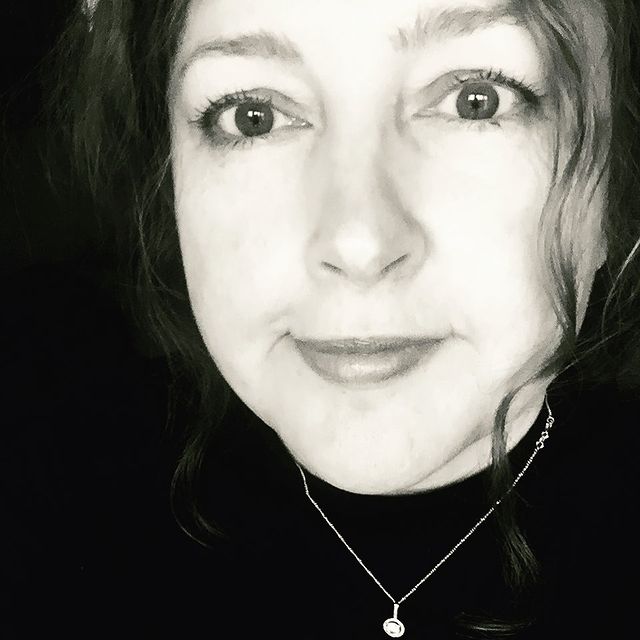
x This is me, looking at you – in case you need quiet, too.
For this year’s Mental Health Awareness Week, and by kind permission with the publisher of my forthcoming memoir, I offer you part of the opening section of that book. Please note the trigger warning and that this book is still in an editorial stage, to be published Spring 2023. Text is copyright. Here is the publisher’s link to the book:
A collection of interconnected essays on the natural world and its detailed and passionate observance over decades in the context of trauma and mental illness.
Trigger warning. Please be aware that this book is about personal experience and includes accounts of or references to mental ill health, OCD, self-harming, suicide, depression, anxiety, dissociation, and derealisation. Also, to violence and cruelty within a family. Importantly, some of these experiences were lived through by a child so please read mindfully.
TO go into solitude, a man needs to retire as much from his chamber as from society. I am notsolitary whilst I read and write, though nobody is with me. But if a man would be alone, let him look at the stars. The rays that come from those heavenly worlds, will separate between him and what he touches. One might think the atmosphere was made transparent with this design, to give man, in the heavenly bodies, the perpetual presence of the sublime. Seen in the streets of cities , how great they are! If the stars should appear one night in a thousand years, how would men believe and adore; and preserve for many generations the remembrance of the city of God which had been shown! But every night come out these envoys of beauty and light the universe with their admonishing smile. (Ralph Waldo Emerson. From Nature, Chapter One[1].)
A note on the text.
All epigraphs are from Ralph Waldo Emerson’s 1836 essay ‘Nature’, as is the title of the book (shown in the first longer epigraph), I have included botanical names for all plants and trees because they are so beautiful and I thought readers might enjoy seeing them, too. As a kid, I loved to learn them and would roll the names around in my mouth. Like sweeties. Only – arguably – Latin is better for you in the mouth than butterscotch.
So shall we come to look at the world with new eyes
There are twelve essays in These Envoys of Beauty, and each looks at some element – or elements – in the natural world and what it has meant to me. When I say that, I mean in terms of how I look at it, how I feel, how that has changed but, for the scope of this book, what any of it has to do with trauma and its management. Let me explain.
I grew up very rurally, raised by a Welsh family on the Somerset-Wiltshire border, but I have habitually spent a great deal of time in West Wales, particularly Pembrokeshire, because that is where most of my family is from. I now live in West Wiltshire. Open land, woods, riverbanks were and are my world. I am also sure that they are how I survived – not better, but intact.
What I show you in this book rests on formative incidents as a child and adolescent: bookish, nerdy, and socially awkward (all of which I still am, only I do not mind now). I spent as much time outside as I possibly could and was always scrambling about somewhere, up trees, in ditches, into rivers and streams and home to look things up and, sometimes, preserve specimens in books or a flower press – or found antique treasures in pillboxes and tins. That is still me today. If you had looked in my primary school books or those in the early years of secondary school, what I wanted to be when I grew up was a botanist. I would spend hours out there and, afterwards, hours in there, looking at my guides and drawing plants and animals – a particularly tame wren on the dog roses; a tree mallow with its flowers open to the sun, looking happy. Lavatera arborea: I loved the rhythm of those words as a child and would linger there now.
I was raised on the crest of a hill, with orchards and old woods behind me and the fields below me and to one side; the river Frome in the valley, near to where it meets the Avon. The Wiltshire sign was below our house but parallel with a lower wall and I was always delighted that where I lived straddled two counties. I must have thought this was unique, back then. Or forbidden: that you had to live in one place or another, not in two. Then, the time in Wales: St Brides Bay, Cardigan Bay, the islands – Ramsey, Skomer and Skokholm – and the water lands; the Daugleddau estuary where my grandmother had once lived, where part of it ended at Cresswell Quay. There were other places that felt like a home, too – Cardiff Bay, the Brecon Beacons and the Black Mountains and I have always felt more Welsh than English, because I was raised by Welsh people in England. I feel that within me, and I like the way the two things tangle, itself a story for another book.
In many ways I was so lucky, and I am very aware of the privilege of growing up in these places. This is one story: bluebells, wild garlic, wood aconites, red campion, mud, and flood and feeling the lichen and moss and stone stiles.
I did not understand the dynamics of my immediate family, that I was blessed in where I lived made me think it was terrible to confess it, and I am not sure who I could tell. There was deep weirdness, death, unspoken illness, and psychiatric problems the nature of which I did not understand in my father’s family and, since the day he died, when I was eighteen, I have not seen them: they cut me off, just like that, my world there and everything that it brought into my imagination at first, had disappeared. I did not understand at first that its best bits could live on in that imagination, lively and fresh, though wrought by that deep weirdness. Then, my parents and sibling. I did not understand and still do not and, because I have explored it elsewhere and it is not the main thrust of the book – though you can see and infer much, reading through – I will not do so. But there were events which still, as I write, make me feel unsettled. My mouth becomes dry, and I feel that I am under threat. I do not expect to get better from this. It is all because of my mother. She was a splendid woman and I loved her, really, against my will. Because although there were streaks of that splendidness with me, what I was given and what I was left with was the sense that I was evil, the bringer of harm, a blot, a brat, a harlot, a slut, a terrible, selfish thing. This, she would always tell me, even when I was very small, was what everyone else thought too. I did not know any different.
She would slap me, pull my hair, kick me when I had fallen and scratch at my ears, but mostly it was the words. The confusion lay, as I say, because I grew up in a beautiful place. I could see that, empirically, but I knew it, hard, because my parents had come from large working class rural families, and had made the ascent, they would say, to the middle classes, or were very much on the way. It makes sense that they should want to remind me of blessings. But, you see, my mother also repeatedly told me I did not deserve it. She was ill a great deal and I remember feeling sick and shivering at the tension in the house. She took the time to tell me that I had made her worse. Then, when I was thirteen, my father became ill. The descent was slow at first, then rapid and dizzying. I did my best to help them both, to care for them, while feeling that I was burden and blot and then came the day that I was told I had hastened his death. I had always worried I was capable of this. Now it had come true.
At night, I would recite Latin names from plant books like mantras and talismans. I had awful ruminating and intrusive thoughts. I would feel a bad thought about someone ushering in – not something I felt, but a collocation of words in my head; a fit of diction, that was all. But by the time I was seven or eight, it was so entrenched that I was a bringer of harm that I decided I had to expel the words so as not to make the bad thing happen. I would have to go and tell that person, always an adult, a dinner lady, a teacher, the school caretaker, the vicar. What they thought I cannot imagine, but I do not remember reassurance ever being given.
By my late teens I had developed severe anxiety, depression. I first tried to take my own life when I was fifteen and again when I was nineteen. On the first of those occasions, my mother would not take me to hospital but instead said I should go to my room. I did not tell anyone this until after the birth of my first child, when I was dreadfully unwell and being looked after by a consultant psychiatrist in outpatients and a kindly GP. This is the first time I have written about it. I don’t know whether she hoped I would die – I had taken a considerable amount of paracetamol – or if it was simply too much for her to think about. I did not understand then, and I still don’t and will never have the opportunity to ask. Both my parents were dead by the time I became an adult.
From the age of twenty one I have been in and out of care – such as is available – and, ever since my teens, I have had difficult periods, of varying length and intensity, where I don’t know where or quite who I am; where my edges are. It is exhausting. It was never talked about by my parents, and they did not try to help me. My mother said mental health problems were an indulgence. She said moods were a myth, especially moods in teenagers, a licence for bad behaviour. PMT, she said, was made up. People who were mentally ill were those who had failed to control themselves. I don’t know why she said these things, but I feel now, looking back, that there was such burning life in her which had been thwarted. Moreover, mental illness – and severe mental illness – was rife on both sides of my family and I wonder if neither of my parents could bear to accept it within our family home. They rejected it because they were frightened and wanted to retain control and function; in doing so, they created something that was dysfunctional. Any one of us can be ill – and any one of us can have things go wrong with our mind.
I remember that it often felt so cold in our house, though a fire was often lit. I remember the day when my mother bought lamps as a development from the days of big light. I felt like we had arrived, and I loved the soft pools of light which fell on the floor and then, wonders, beside my bed. But you see that softness did not last and it was cosmetic. I looked outside.
Oh, there was a lot more than I feel I can tell which went on, but you can infer as we go because the point of this book is not degradation and terror, but joy and survival. Of course, I learned a good deal from some – not all! – of my therapy received sporadically over the decades of adulthood, but all that time, today, this afternoon, it was my connection with the natural world (and my reading[2]) and all things in it which shored me up. On my worst days, I cannot go far, so I am just outside, but I am listening intently. I am a rural girl, but I am observing wherever I go.
In this book, stay with me as I try to show you the world I explored, what it meant to me then, and now. The essays are not chronological, but dart back and forth between them and within, memories and ideas associating and cohering. I do not mean to mythologise nature, because it is also full of facts and yet it illuminates, calms, and makes things intelligible. Sometimes I feel it as a metaphor, sometimes just as a sense or a reminder or prod – in the hard lines of something or the delicate feather of rime – to think about something with a different attitude. Also, even when it is small about me, I perceive space; that’s how it was for me as a child.
‘We constantly refer back to the natural world to try and discover who we are. Nature is the most potent source of metaphors to describe and explain our behaviour and feelings,’ notes Richard Mabey in Nature Cure[3] and that is true, I think. When I was very young, and I would run out, or just stand and stare, I would look to plants and trees to help me explain to myself a bewildering world. There was something else, encapsulated by Wilson A. Bentley, known as ‘The Snowflake Man,’ who studied the snow and published many extraordinary photomicrographs of snowflakes. Bentley saw the snowflakes, as he observed them from Jericho, in Vermont, as a metaphor for all things beautiful on earth, but also ‘The snow crystals…come to us not only to reveal the wondrous beauty of the minute in Nature, but to teach us that all earthly beauty is transient and must soon fade away. But though the beauty of the snow is evanescent, like the beauties of the autumn, as of the evening sky, it fades, but to come again.’[4]
I want to reiterate. Nature has not been my cure. It has been my inspiration, teacher, and companion.
[1] Ralph Waldo Emerson, Selected Essays, Lectures and Poems, ed. Robert D. Richardson, Bantam 1990, 2007. ‘Nature’ was written in 1836
[2] If you like, you can read an account of reading, the imagination and survival in an essay I wrote for Trauma. An Anthology of Writing about Art and Mental Health, Dodo Ink, ed Mills and Cuell, 2021); it also uses some sections from my first book, which was a work of autobiographical fiction.
[3] Nature Cure, Richard Mabey, Chatto & Windus, 2005, Little Toller, 2021, p. 32
[4] Quoted in The Snowflake Man, a Biography of Wilson A. Bentley, Duncan Blanchard, Macdonald and Woodward Publishing Company. 1998.
Here is what I am up to next year. Or rather, here is what I can tell you so far. Now look, readers and writers: things have got most tricky at Bookworm Towers. It happens. But, you see, never feel that if life is difficult, if you experience illness or are bereft, your creativity will wither alongside. Take heart; nurture it and believe in it. Make things. That is what I am continuing to do. In the midst of sadness I am writing another book.
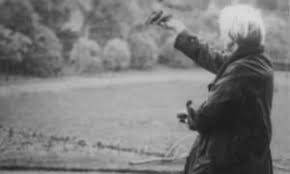
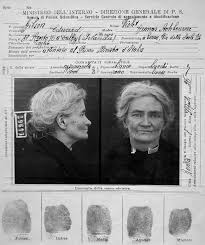
What’s coming? In April, you can read my new novel, Saving Lucia. Here she is above. The book that started with a chance sighting of that photo above – the one where the elderly lady is feeding the birds, so very tenderly. She was the Honourable Violet Gibson and, in April 1926, she went to Rome and tried to kill Mussolini, She shot him in the nose. She got closer than anyone else. Lady Gibson was knocked to the ground, put in prison and, eventually, deported; thereafter, she was certified insane and spent the rest of her life in St Andrew’s Hospital, Northampton. Later, a fellow patient was Lucia Joyce, daughter of James Joyce. What if…and do you see the other women above? That’s Blanche, Queen of the Hysterics at the Salpetriere and that’s Monsieur Charcot demonstrating what happens under hypnosis. She is most remarkably responsive. To her right is Bertha Pappenheim, a prominent Jewish social worker, whose institute was razed by the Nazis. It was not until twenty years after her death that she was also revealed to be ‘Anna O’, in Freud and Breuer’s On Hysteria. These women have an extraordinary story to tell you, so stick around. The book is published on April the 24th, but Bluemoose Books is starting a subscription service, where it will be available to subscribers from (I gather) late February. Follow all news here: https://bluemoosebooks.com/ Saving Lucia is part of Bluemoose’s all women catalogue for 2020.
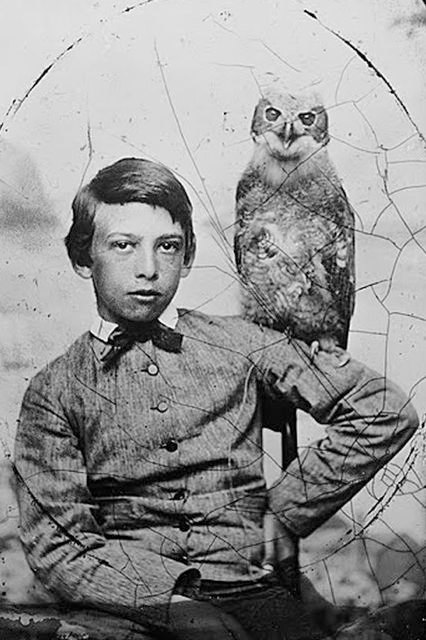
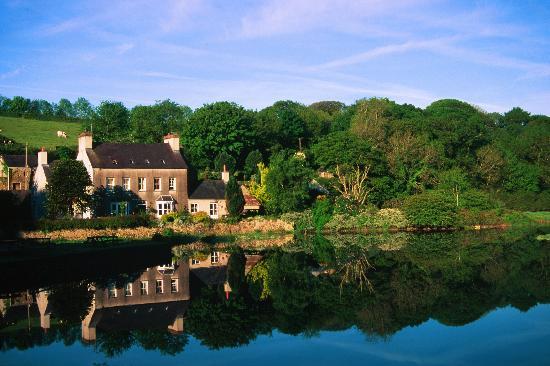
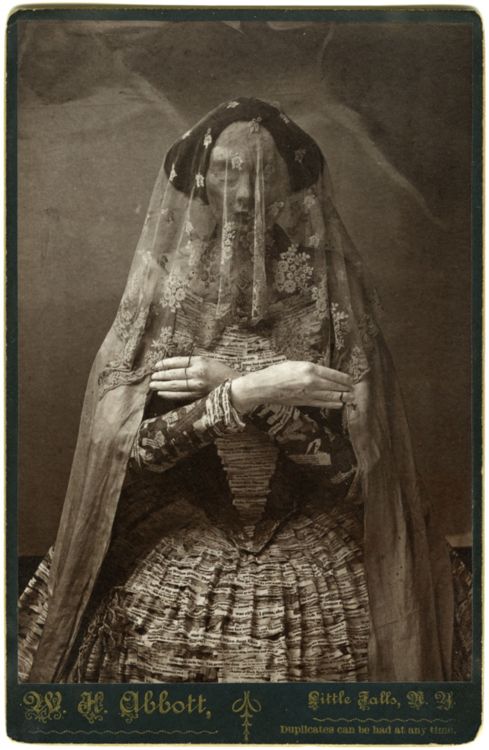
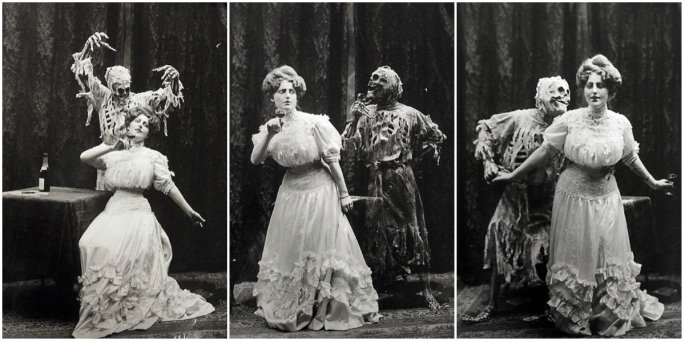
Below is a gallery of images pertinent to what I have been writing about; from a bookshop of towering shelves, an old asylum window, Victorian portraits (the first one has a memento mori which has been added subsequently, but I liked it!), a devil, a baptism in 17th century Virginia, shades of grief, my late grandmother’s house on the Cleddau in Pembrokeshire (the setting for two books now), the holy well of St Non’s near St David’s and Walton West church on St Brides’ Bay in Pembrokeshire, fictionalised in the book I have just sent to my agent…(see below)…
In June, I have an essay in Dodo Ink’s Trauma: Art as a Response to Mental Health; it’s called ‘In Order to Live’ and is about reading and the imagination in my life, kid up, in the face of trauma. Reading as survival, in fact. http://www.dodoink.com/blog and – details when they are up – I also have some weird fiction in a new anthology by Unsung Stories; it’s a really interesting concept and one very important to me: weird fiction exploring mental health themes but also hopeful uplift on these themes. You will see!
In September, my first short story collection is out. Here.
This is already available for pre-order as part of Influx Press’s subscription service. https://www.influxpress.com/famished Hit the subscription button.
‘In this dark and toothsome collection, Anna Vaught enters a strange world of apocryphal feasts and disturbing banquets. Famished explores the perils of selfish sensuality and trifle while child rearing, phantom sweetshop owners, the revolting use of sherbet in occult rituals, homicide by seaside rock, and the perversion of Thai Tapas. Once, that is, you’ve been bled dry from fluted cups by pretty incorporeals and learned about consuming pride in the hungriest of stately homes. Famished: eighteen stories to whet your appetite and ruin your dinner.’ Oooh and ugh.
Ah but that is not all my bravehearts. I have also, thus is the way these things work, submitted a second novel – witchery in mid 17th-century Somerset and Virginia called The Revelations of Celia Masters – and a second short story collection called Ravished. And if there is news, you will be the first to hear it.
AND
I have written my first magical realism and handed my work in to the literary agency who this year signed me: Mackenzie Wolf, NYC and one of the best girls in the world, my agent Kate Johnson. I think I am allowed to say that this is called The Zebra and Lord Jones. I have been asked by a few people why I am with an American agency. This is partly because we are an Anglo-American crew at Bookworm Towers and I try to split my time as much as I can, partly because they also have a presence here and partly because of my literary interests and ambitions and where. And because of Kate. The best girl. I am desperate to tell you more about this book, set in Wales, London and Ethiopia during WWII – but I cannot. x
When we have had a meeting about it, I will tell you more about a thing which I am over the moon to be able to do: for September 2020 I am offering at least partial fee remission for an MFA (in creative writing) for a student from a disadvantaged background. I have asked if there can be a focus on someone whose life has been circumscribed by mental illness. This is because mine has been – and that’s really why I wrote a novel, Saving Lucia (back to top) about this theme, too. And I am building a writing retreat and teaching room in my garden. I do mean I am building it. With a bit of help, When I am up and running, I will tell you all.
Oh, there will be a lot to share. We will bring you events and news on Saving Lucia – here she is again and note the four windows and the bird on this beautiful cover, below – and I shall share them here and on social media and tell you about everything else that is happening. Saving Lucia is my third book, with the first two Killing Hapless Ally and The Life of Almost no longer with their original publisher and on the move. We will bring you news on this all in good time; you can find copies floating about though!
I have chosen my FREE READ for 2020. I usually do four a year, but 2020 sees all this work on top of my day job (I am an English teacher, tutor and mentor for young people) and extra care for my two eldest boys who are in exam years and have additional needs. This is going to be a rollercoaster year, isn’t it?
I hope we get to meet and I wish you a Happy 2020 and much wonderful reading, perhaps writing. Oh – and I mentioned that I was writing a new book. Here is how it started. The image is of me with the two Shirley Jackson books which are the biggest influence on what I am writing at the moment. It’s called We All Live in a House on Fire -and have a Welsh cake for knowing that the title comes from Tennessee Williams’s The Milk Train Doesn’t Stop Here Anymore. And I can’t tell you anything about what I am writing either. Except that I am a third of the way through and very excited. It’s strange how ideas bubble up. I was upset one night and couldn’t sleep. I started re-reading We Have Always Lived in the Castle and there we were. By 4.a.m. I had started writing chapter 2. I anticipate that I will have finished this new novel by the end of March. I write quickly; it’s just how I roll. I have written all my books in 3-4 months, but I wrote my two short story collections in three crazy weeks a pop. Everyone is different and, anyway, I’d say it’s not the writing that takes the time, it’s the editing. Imagine that, when your book goes to your editor – aside of what you have done yourself – it’s about half-way there. But you may feel differently!
But for now, it’s all about Saving Lucia. I hope you like it xxx























 Anna Vaught Writes - Dr Anna Vaught: teacher, mentor, author, campaigner